
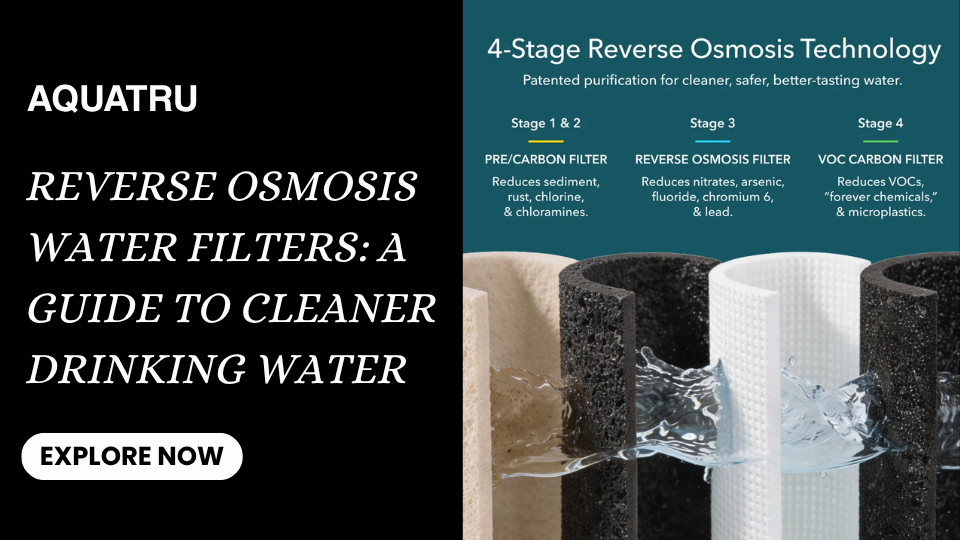
Choosing a water filter for your home can feel confusing when different systems promise better taste, improved filtration, and greater convenience. Reverse osmosis water filters are a popular option for households that want to reduce certain contaminants in their drinking water. However, not every filtration system works the same way, and understanding the differences can help you make a more informed decision.
Your local water supply, plumbing, household size, and daily water consumption all influence which solution makes sense. Some people need a simple taste-improving filter, while others want a more comprehensive purification system. AquaTru offers reverse osmosis water purifiers designed for different home setups, including countertop and under-sink options. Understanding how this technology works can help you decide whether one of these systems suits your needs.
Why Reverse Osmosis Water Filters Matter
Water quality can vary depending on the source, local treatment processes, and the condition of household plumbing. Although municipal water systems are regulated, certain contaminants can remain in water or enter it through plumbing and other sources.
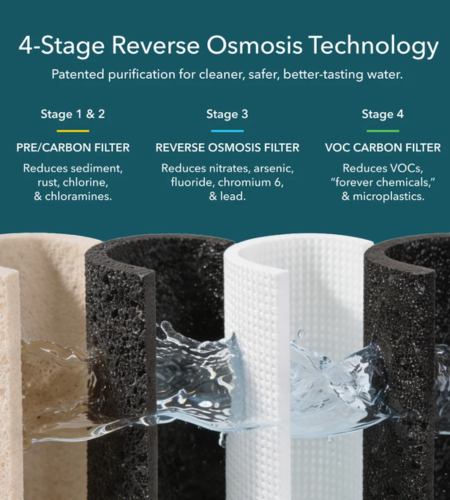
Reverse osmosis, often shortened to RO, uses a semipermeable membrane to separate water from many dissolved substances. Depending on the system and its certification, this process can reduce contaminants such as lead, arsenic, fluoride, nitrates, and certain per- and polyfluoroalkyl substances (PFAS).
However, no single filter should be assumed to remove every possible contaminant. Performance depends on the specific model, filter condition, and substances being tested.
Before purchasing a purifier, consider reviewing your local water quality report or arranging appropriate water testing if you use a private well. This helps you identify which contaminants matter most and whether reverse osmosis is an appropriate solution.
How AquaTru Fits the Topic
AquaTru specializes in water purification products using reverse osmosis technology. Its range includes countertop purifiers, compact carafe systems, under-sink units, and replacement filters.
The brand’s official website states that its applicable purification systems are independently tested and certified to NSF standards for reducing specified contaminants. The exact claims and performance should always be checked against the certification and performance data for the model you intend to purchase.
AquaTru may be worth considering if you want to explore different ways to filter drinking water without assuming every household needs the same setup.
Which AquaTru Water Purifier Should You Consider?
The most suitable purifier depends on your available space, water consumption, and installation preferences.
AquaTru Classic
The AquaTru Classic is a countertop reverse osmosis purifier designed for everyday drinking and cooking water. Its product page lists a four-stage filtration system, push-button dispensing, and a purified-water tank with a stated capacity of 0.75 gallons.
The unit does not require plumbing installation, although it does need an electrical outlet. Its countertop design may suit households that want a dedicated purifier without modifying existing pipes. The product page also lists a price of $475, which should be reconfirmed before purchasing.
AquaTru Carafe
The AquaTru Carafe is a compact option designed around a glass carafe rather than the Classic’s dispensing format. It may appeal to people with limited counter space or smaller daily water requirements.
The official website lists the Carafe from $375. Check the current product specifications, included filters, and capacity before deciding whether it will meet your household’s needs.
AquaTru Under Sink
An under-sink purifier is worth exploring if you prefer to keep filtration equipment out of sight. AquaTru offers an under-sink model for households that want a more integrated kitchen setup.
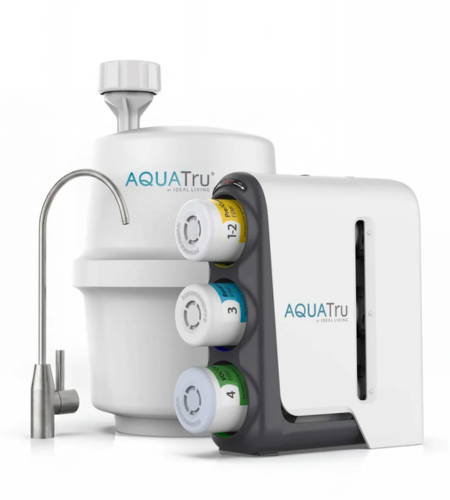
Unlike a countertop unit, this type of system requires consideration of the available cabinet space, plumbing connections, and installation requirements. Confirm the current specifications and whether professional installation is recommended before ordering.
Key Features and Benefits to Compare
Before choosing a reverse osmosis water filter, evaluate the features that affect daily use.
- Contaminant reduction: Check the model’s certified performance data for the specific substances you want to reduce.
- Available capacity: Consider how much drinking and cooking water your household uses each day.
- Installation: Decide whether you prefer a countertop appliance or an under-sink system.
- Filter replacement: Review replacement intervals, compatible cartridges, and ongoing maintenance costs.
- Convenience: Compare dispensing methods, water storage, cleaning requirements, and available counter space.
AquaTru states that its filter lifespans vary by filter type, with some designed to last approximately six months and others up to two years. Actual replacement timing depends on the applicable model and usage conditions.
Pricing, Maintenance, and Long-Term Costs
The initial purchase price is only one part of the cost of owning a water purifier. Replacement filters, electricity, maintenance, and any installation expenses can affect the overall budget.
For example, the listed AquaTru Classic price is $475, while the Carafe starts at $375 on the official US website. These prices may change, and shipping charges, taxes, offers, or regional availability can affect the final amount.
Before placing an order, verify:
- The current product price and shipping availability for your location.
- The price of replacement filters and their expected service life.
- The warranty terms and any exclusions.
- The return policy, including shipping or processing charges.
Regular maintenance is essential because clogged, exhausted, or improperly installed filters may not perform as intended.
Pros and Cons of AquaTru
Potential advantages
- Multiple purifier formats for different kitchen layouts.
- Reverse osmosis filtration designed to reduce specified contaminants.
- Countertop options that do not require permanent plumbing changes.
- Replacement filters available for ongoing maintenance.
Potential limitations
- The initial cost may be higher than that of a basic pitcher filter.
- Replacement cartridges add continuing expenses.
- Countertop models require space and electricity.
- Under-sink systems involve additional installation considerations.
Your water quality requirements and long-term budget should guide the final decision rather than product features alone.
Frequently Asked Questions
1. What does a reverse osmosis water filter do?
It uses a semipermeable membrane to separate water from many dissolved substances. The contaminants reduced depend on the system’s design and verified performance.
2. Is reverse osmosis suitable for every home?
Not necessarily. The right option depends on your water quality, household needs, budget, and installation preferences.
3. How often should AquaTru filters be replaced?
Replacement intervals vary by cartridge and model. Follow the manufacturer’s instructions and check any filter-life indicators.
4. Does AquaTru require plumbing installation?
The AquaTru Classic countertop purifier does not require plumbing installation, while an under-sink model involves a different installation setup. Confirm the requirements for your selected product.
5. Is reverse osmosis water filtration expensive?
Costs vary by model. Compare the upfront price with replacement filters, maintenance, electricity, and installation expenses to estimate long-term ownership costs.
Conclusion
Choosing the right reverse osmosis water filter starts with understanding your water quality, household requirements, and maintenance budget. Compare certified contaminant-reduction claims, available capacity, filter replacement costs, and installation requirements before making a decision.
AquaTru provides several purifier formats to explore, including countertop, carafe, and under-sink systems. Review the specifications and current pricing on the official website to determine whether one fits your needs.
If you are researching reverse osmosis water filters, start by identifying the contaminants you want to reduce, then compare suitable systems carefully.
 Harvey Glen