
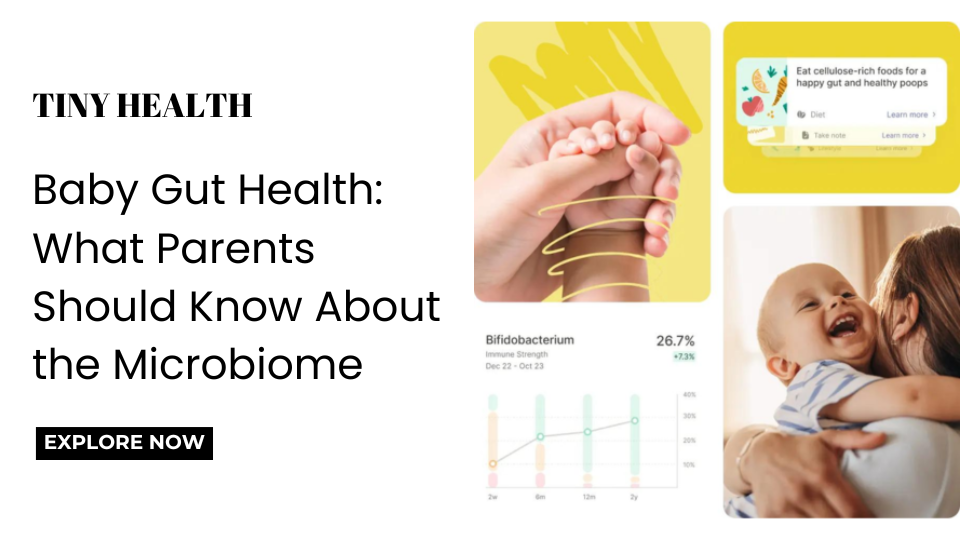
A baby’s digestive system changes rapidly during the first years of life, and understanding baby gut health can help parents make more informed decisions about feeding, nutrition, and everyday care. The gut contains a community of microorganisms, including bacteria, that make up the gut microbiome. These microorganisms interact with digestion, immune development, and other processes as a child grows.
However, baby gut health is not determined by one food, supplement, or test. Birth circumstances, feeding patterns, age, and antibiotic exposure can all influence how a baby’s microbiome develops. Parents may wonder whether their child’s gut is developing as expected, particularly when digestive discomfort or skin concerns arise.
Learning the basics is a useful first step. For families who want additional information, Tiny Health offers age-specific microbiome testing designed to provide insights into the gut environment.
Why Baby Gut Health Matters
The gut microbiome develops early in life and changes throughout childhood. Since babies have different gut microbes than adults, age matters when interpreting microbiome results.
Gut microbes support digestion and immune function. Early development may affect digestive health and allergies, but further research is needed.
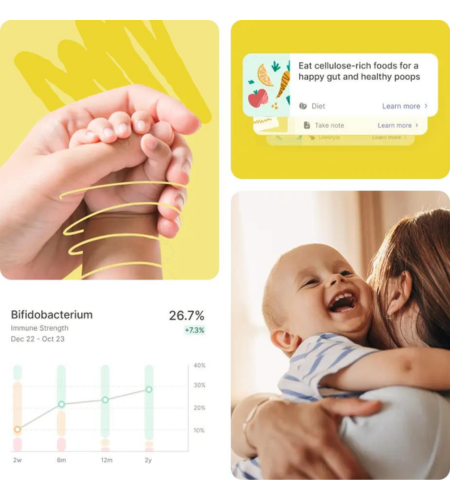
Parents can support everyday digestive health by focusing on practical care rather than trying to achieve a supposedly perfect microbiome.
Helpful habits include:
- Following age-appropriate feeding guidance from a qualified healthcare professional.
- Introducing complementary foods when developmentally appropriate and following pediatric guidance.
- Discussing persistent constipation, diarrhea, feeding difficulties, or other concerning symptoms with a pediatrician.
- Using antibiotics only when prescribed and following the healthcare professional’s instructions.
- Avoiding unnecessary supplements or restrictive diets for babies.
These measures support informed care without assuming every digestive variation indicates a problem.
What Influences a Baby’s Gut Microbiome?
Several factors contribute to early microbial development, and their effects differ from child to child.
Birth circumstances: Vaginal birth and cesarean delivery can be associated with differences in early microbial exposure. However, birth method alone does not determine a child’s future health.
Feeding patterns: Breast milk contains nutrients and other components that interact with the developing gut microbiome. Formula-fed babies also develop their own microbial communities. Parents should make feeding decisions based on their family’s circumstances and professional guidance, without guilt or pressure.
Introduction of solid foods: As babies begin eating complementary foods, their gut microbiome continues to change. Offering a developmentally appropriate variety of foods can support a balanced approach to nutrition.
Antibiotic exposure: Antibiotics can affect gut bacteria alongside the bacteria responsible for an infection. When antibiotics are medically necessary, their benefits can outweigh these effects. Parents should never stop or delay prescribed treatment because of microbiome concerns.
Understanding these influences helps families distinguish realistic everyday steps from unsupported claims about quick fixes.
When Should Parents Consider Gut Microbiome Testing?
A gut microbiome test examines microorganisms or microbial characteristics in a collected sample. Depending on the test, the report may describe which microbes were detected and how their levels compare with the test’s reference framework.
Testing is not essential for every healthy baby, and its usefulness depends on the family’s question, the available evidence, and whether the findings can meaningfully inform care.
Parents considering testing should ask:
- Is the test designed specifically for the child’s age?
- What does the report actually measure?
- Are the findings clinically validated for the intended use?
- Could the results change a healthcare decision?
- Who can help interpret the findings?
Microbiome tests cannot independently diagnose allergies, eczema, infections, or other medical conditions. A result suggesting an association or imbalance should not be treated as a confirmed diagnosis. Persistent symptoms require appropriate clinical evaluation.
How Tiny Health Fits Into Baby Gut Health
Tiny Health offers at-home gut microbiome testing for babies and toddlers, as well as products for older children and adults. Its Baby Gut Health Test is designed for children aged 0–3 years.
Tiny Health includes sample collection materials, a gut microbiome report, and a personalized results review. Reports typically arrive within three to four weeks; confirm details on the official product page before ordering.
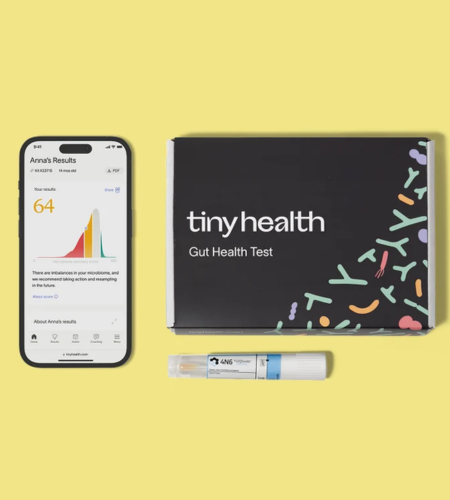
The potential benefit is informational: parents may gain a more detailed view of the microbial community in their child’s sample and have an opportunity to discuss the findings.
Before choosing this option, consider whether you have a specific question that testing could help address. Also check the limitations of the report and discuss any proposed dietary changes or supplements with your child’s healthcare professional.
Tiny Health states that its tests are not intended to diagnose or treat disease and are not a substitute for professional medical advice. That distinction is important when evaluating any direct-to-consumer health test.
Understanding Pricing and Practical Considerations
The Baby Gut Health Test has been listed at $249 USD on Tiny Health’s product pages. Prices, promotions, availability, shipping terms, and included services may change, so verify the current offer before purchasing.
When comparing testing options, look beyond the headline price. Consider whether the purchase includes a specialist review, how long results take, whether repeat testing is necessary, and whether the findings are likely to influence practical decisions.
Sample collection is another consideration. Follow the kit’s instructions carefully, check eligibility and shipping availability for your location, and contact the company if any instructions are unclear.
The main limitation is that microbiome science is still developing. A detailed report can provide information, but more information does not always lead to a clearer diagnosis or better outcome. Families should weigh the cost against their specific needs rather than feeling that testing is a requirement for responsible parenting.
Frequently Asked Questions
1. How can I support my baby’s gut health naturally?
Follow age-appropriate feeding guidance, introduce complementary foods at the appropriate developmental stage, and consult a pediatrician about persistent digestive concerns. Avoid unneeded supplements and restrictive diets.
2. Does a baby’s gut microbiome change with age?
Yes. The microbial community changes substantially during infancy and early childhood as feeding patterns, environmental exposures, and development evolve.
3. Is gut microbiome testing necessary for every baby?
No. It is not a routine requirement for every healthy infant. Consider the purpose, limitations, cost, and potential usefulness of testing before making a decision.
4. Can a microbiome test diagnose food allergies or eczema?
A microbiome test should not be used by itself to diagnose either condition. A healthcare professional can assess symptoms and determine whether appropriate clinical testing is needed.
5. Is Tiny Health suitable for toddlers?
Tiny Health lists its Baby Gut Health Test for babies and toddlers aged 0–3 years. Review the current eligibility criteria, report details, and limitations on its official website before ordering.
Conclusion
Baby gut health develops through a combination of feeding, growth, environmental exposure, and individual biology. Parents can begin with age-appropriate nutrition, practical everyday care, and professional guidance when concerns arise. No single food, supplement, or test guarantees a healthy microbiome.
For families seeking additional information, Tiny Health’s age-specific testing may offer another perspective on a baby’s gut microbial environment. Review the evidence, understand the limitations, and compare the potential value with the cost before deciding. Visit the official Tiny Health website to explore available tests and determine whether one fits your family’s needs.
 Harvey Glen