
A reverse osmosis water filter can be a valuable addition to a home, but purchasing a purification system is only the first step. Regular cleaning, timely filter replacement, and proper daily use are important for keeping the system functioning as intended. Without routine maintenance, mineral buildup, overdue filters, and neglected water reservoirs can affect filtration performance and everyday convenience. Understanding how to maintain a reverse osmosis water filter helps homeowners avoid common problems and get more value from their equipment. Whether you use a traditional under-sink purifier or a countertop model, a simple maintenance routine can make ownership easier. AquaTru offers countertop and under-sink purification systems with replaceable filters, making maintenance an important consideration when comparing its products.
Why Is Reverse Osmosis Water Filter Maintenance Important?
Reverse osmosis systems use multiple filtration stages to reduce selected contaminants from drinking water. Each filter has a specific purpose, and its effectiveness depends partly on being replaced according to the manufacturer’s instructions.
Regular maintenance matters for several reasons:
- Consistent filtration: Replacing filters on schedule helps the system continue performing according to its specifications.
- Better water taste: Worn-out filtration components may affect the taste and odor of drinking water.
- Reliable operation: Cleaning and checking system components can help identify potential issues before they become more serious.
- Long-term value: Following maintenance instructions may help prevent unnecessary wear and avoidable replacement expenses.
Maintenance requirements differ between systems, so always follow the instructions provided for your particular model.
6 Practical Ways to Maintain a Reverse Osmosis Water Filter
1. Replace Filters According to the Recommended Schedule
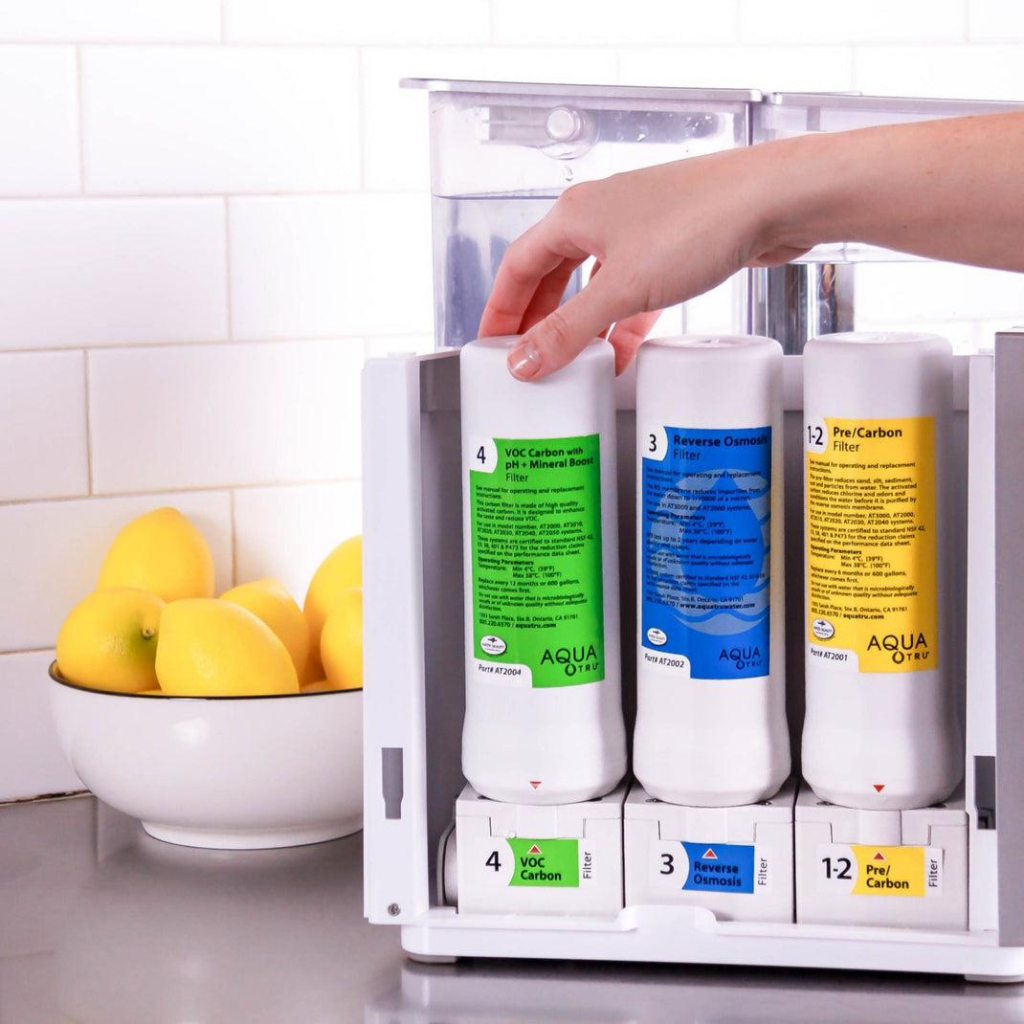
Filter replacement is one of the most important parts of maintaining a reverse osmosis system. Different cartridges have different lifespans because they handle different filtration tasks.
Depending on the model, a system may contain:
- Sediment or pre-carbon filters.
- Reverse osmosis membranes.
- Carbon post-filters.
- Additional mineral or specialized filtration cartridges.
Do not assume every filter needs replacement at the same time. Check the manufacturer’s maintenance schedule and consider both the recommended time interval and gallon capacity.
2. Clean the Water Reservoir Regularly
Water storage tanks and removable reservoirs should be cleaned according to the manufacturer’s directions. Over time, containers can collect residue, dust, or mineral deposits.
For countertop purifiers, pay attention to both the tap-water tank and purified-water container.
A practical cleaning routine includes:
- Emptying the reservoirs before cleaning.
- Using the cleaning method recommended by the manufacturer.
- Rinsing removable components as instructed.
- Allowing parts to dry when the instructions recommend it.
- Avoiding harsh cleaning chemicals that could damage system components.
Never use an unapproved cleaning solution inside the filtration system.
3. Watch for Mineral Buildup
Hard water contains higher concentrations of dissolved minerals, which can contribute to scale buildup inside water filtration equipment.
In reverse osmosis systems, mineral deposits may affect water flow and filtration efficiency. Some manufacturers recommend periodic descaling, particularly when users notice slower filtration.
Use only the cleaning or descaling procedure approved for your purifier. Applying unsuitable chemicals or methods may damage internal components.
4. Monitor Water Flow and System Performance
Pay attention to changes in your purifier’s normal operation.
Potential warning signs include:
- Water taking longer than usual to filter.
- Reduced dispensing flow.
- Unusual noises during operation.
- Unexpected filter replacement indicators.
- Changes in the taste or smell of purified water.
These signs do not always mean a filter has failed. The issue could involve maintenance requirements, water conditions, installation, or another component.
Consult the product manual before troubleshooting or replacing parts.
5. Keep the System in a Suitable Location
Where you place your purifier can affect its convenience and maintenance.
For countertop models, choose a stable, level surface with sufficient room for ventilation, water filling, and filter replacement.
Avoid placing the appliance near excessive heat or in areas where water spills could reach electrical connections. Follow the manufacturer’s recommendations for operating temperature and placement.
6. Keep Track of Replacement Dates
A simple maintenance record can help prevent missed filter changes.
Write down:
- The date each filter was installed.
- The recommended replacement date.
- The approximate amount of water processed.
- Any cleaning or descaling performed.
Some modern purifiers include filter-life indicators that make maintenance easier. However, users should still understand the manufacturer’s recommended replacement intervals.
How AquaTru Makes Water Purifier Maintenance More Convenient
AquaTru specializes in reverse osmosis water purification and offers countertop and under-sink solutions for different household requirements.
Its product range includes the AquaTru Classic, Classic Smart, Carafe, and Under Sink systems.
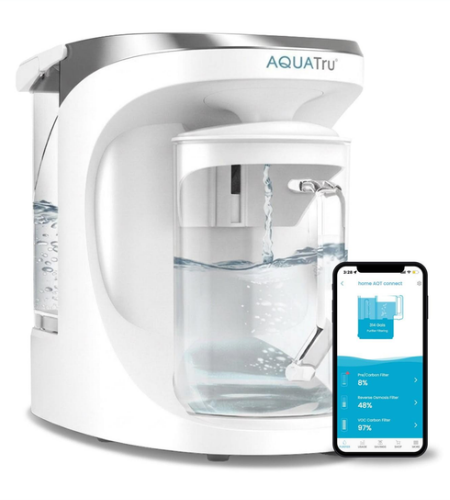
The AquaTru Classic is a countertop option featuring four-stage Ultra Reverse Osmosis filtration. It includes a digital filter-life indicator that helps users identify when replacement filters are needed.
The Classic Smart adds app-based features, allowing users to monitor filter life and receive replacement reminders.
For people who prefer a smaller countertop design, the AquaTru Carafe provides a removable glass water container. Its filtration components have separate replacement schedules, so owners should check the instructions for the specific model.
AquaTru also provides replacement filters through its official store. Choosing compatible cartridges is important because different models do not necessarily use interchangeable filters.
Understanding AquaTru Filter Replacement Intervals
AquaTru publishes different replacement schedules for its countertop systems.
For Classic and Classic Smart models, the manufacturer’s guidance includes:
- Pre-filter: Every six months or 600 gallons, whichever comes first.
- Reverse osmosis filter: Every two years or 1,200 gallons, whichever comes first.
- VOC filter: Every year or 600 gallons, whichever comes first.
The Carafe has different gallon capacities for its filters, so owners should consult the appropriate model-specific schedule.
These intervals are manufacturer recommendations rather than universal rules for every reverse osmosis purifier. Actual maintenance requirements can depend on water conditions and usage.
Common Reverse Osmosis Maintenance Mistakes to Avoid
Even a good filtration system can become difficult to maintain if basic instructions are ignored.
Avoid these common mistakes:
- Delaying filter replacement beyond the recommended interval.
- Installing incompatible replacement cartridges.
- Cleaning internal components with unapproved chemicals.
- Ignoring persistent changes in filtration speed.
- Forgetting to clean removable reservoirs.
- Assuming every reverse osmosis system has identical maintenance requirements.
Following the product manual is generally the safest way to maintain your equipment.
Frequently Asked Questions
How often should a reverse osmosis filter be replaced?
It depends on the filter type, model, water usage, and manufacturer recommendations. Some cartridges require replacement every six months, while certain membranes can last considerably longer.
How do I know when my water purifier needs maintenance?
Look for filter indicators, slower filtration, unusual operation, and changes in water taste or odor. Check the manufacturer’s troubleshooting guidance.
Can I clean a reverse osmosis filter instead of replacing it?
Most disposable cartridges should be replaced rather than cleaned. Follow the manufacturer’s instructions for any components that support cleaning.
Does hard water affect reverse osmosis systems?
Yes. High mineral content can contribute to scale buildup, potentially affecting filtration speed and membrane performance.
Does AquaTru offer replacement filters?
Yes. AquaTru offers model-specific replacement filters and filter combinations through its official store.
Conclusion
Maintaining a reverse osmosis water filter involves more than replacing cartridges occasionally. Regular reservoir cleaning, monitoring system performance, checking for mineral buildup, and following the correct replacement schedule all contribute to responsible ownership.
AquaTru provides several purification options with replaceable filtration components and maintenance indicators designed to simplify routine care. If you are comparing water purification systems or already own an AquaTru purifier, reviewing its official maintenance instructions and compatible replacement filters can help you establish a practical care routine.
 Harvey Glen