
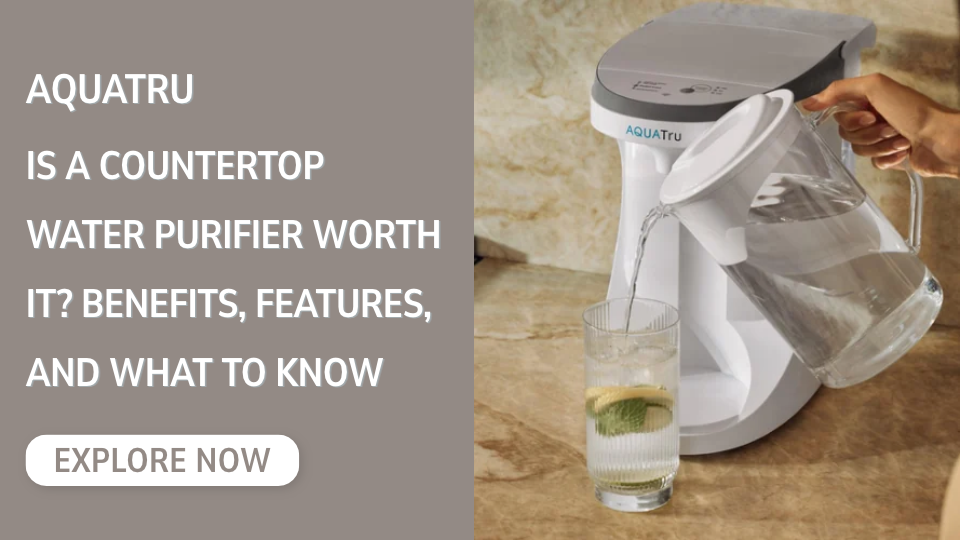
Clean drinking water is an important part of everyday life, but choosing the right water filtration system can be confusing. With different purification technologies, filter types, and countertop designs available, understanding which option suits your household requires some research. A countertop water purifier offers a convenient way to treat drinking water without making permanent changes to kitchen plumbing. Many modern systems use reverse osmosis technology to reduce selected contaminants and improve water quality. They can also provide an alternative to frequently purchasing bottled water. AquaTru is one brand offering countertop reverse osmosis systems designed for everyday household use. Understanding how these purifiers work, what features matter, and what maintenance they require can help you make a more informed decision.
Why Does a Countertop Water Purifier Matter?
A countertop water purifier can make household water treatment more accessible. Unlike traditional under-sink systems, many countertop models do not require drilling, plumbing modifications, or professional installation.
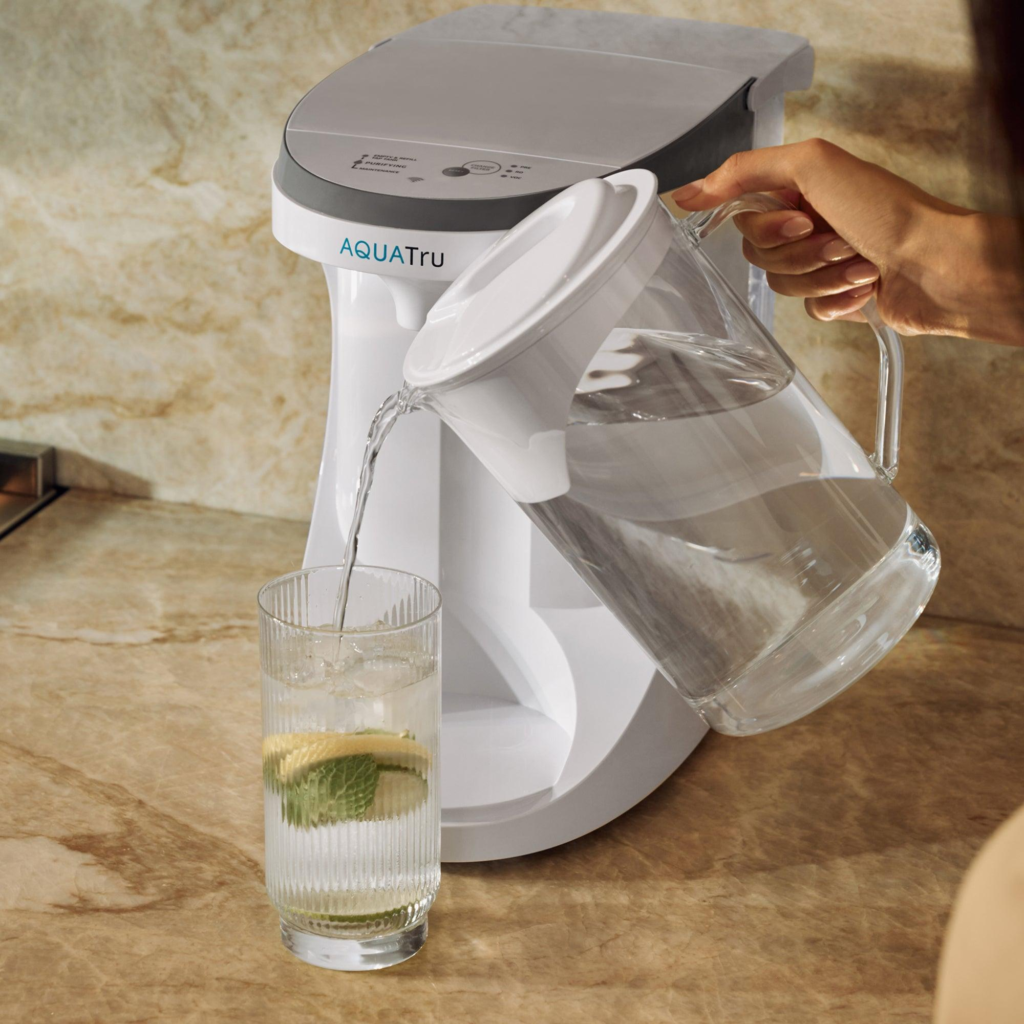
This makes them worth considering for apartments, rented homes, smaller kitchens, and households that prefer a portable purification solution.
Another important consideration is the type of contaminants a system is designed to reduce. Depending on the technology and certification, water purifiers may help reduce substances such as chlorine, certain heavy metals, dissolved solids, and other unwanted compounds.
However, not every filter removes the same contaminants. Checking independent testing and certification information is important before choosing a product.
How Does Reverse Osmosis Water Filtration Work?
Reverse osmosis is a water purification process that uses pressure to move water through a specialized semipermeable membrane.
The membrane separates water from many dissolved substances and other contaminants. Additional filtration stages may help reduce particles, chlorine, and certain organic compounds.
A typical reverse osmosis system includes:
- Pre-filtration: Helps capture larger particles and protect later filtration stages.
- Carbon filtration: Helps reduce chlorine, odors, and certain chemical compounds.
- Reverse osmosis membrane: Reduces various dissolved contaminants.
- Post-filtration: Provides additional treatment depending on the system’s design.
Reverse osmosis can be useful for households seeking more comprehensive filtration than basic pitcher filters. However, these systems require regular maintenance and may produce wastewater during purification.
Top AquaTru Countertop Water Purifier Options
AquaTru offers different countertop models designed around household capacity and convenience.
AquaTru Classic
The AquaTru Classic is designed for households that want a countertop purification system with a larger purified-water storage capacity.
Its main features include:
- Four-stage reverse osmosis filtration.
- A 0.75-gallon purified-water tank.
- Push-button water dispensing.
- No permanent plumbing installation.
- Replaceable filtration components.
The system is approximately 12 inches wide, 14 inches deep, and 14 inches high. It may suit households that regularly need purified water for drinking, cooking, and filling reusable bottles.
AquaTru Carafe
The AquaTru Carafe offers a more compact alternative for smaller households or kitchens with limited counter space.
Its features include:
- Four-stage reverse osmosis filtration.
- A removable 64-ounce glass carafe.
- A compact countertop design.
- No plumbing installation.
- Replaceable filters.
The glass carafe provides a convenient way to collect and serve purified water. Its smaller capacity may be more suitable for individuals, couples, or households with moderate water requirements.
Important Features to Consider Before Choosing
Selecting a water purifier involves more than comparing appearance or initial cost. Consider these factors before making a decision.
1. Filtration performance
Check which contaminants the system is independently certified to reduce. Look for detailed performance documentation instead of relying only on general marketing descriptions.
2. Storage capacity
Think about how much purified water your household uses daily. A larger tank may reduce frequent refilling, while a compact carafe can be easier to accommodate in smaller kitchens.
3. Filter replacement
Every filtration system requires maintenance. Check replacement intervals, filter availability, and ongoing costs before purchasing.
4. Installation requirements
Countertop systems can be convenient because they generally avoid permanent plumbing changes. However, they still need sufficient counter space, access to water, and an electrical outlet when required.
5. Mineral content
Reverse osmosis can reduce certain naturally occurring minerals alongside unwanted substances. Some systems offer additional mineral filtration options, so compare these choices if mineral content is important to your preferences.
How AquaTru Fits Into the Countertop Water Purifier Market
AquaTru specializes in water purification products, including countertop reverse osmosis systems and replacement filters.
Its product range focuses on making advanced water filtration accessible without requiring permanent kitchen installation.
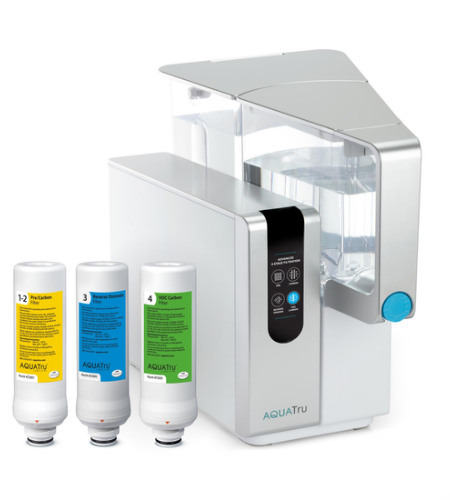
One notable feature is its four-stage Ultra Reverse Osmosis filtration technology. According to the manufacturer’s product information, its systems are independently tested and certified by IAPMO to applicable NSF standards for reducing specified contaminants.
The manufacturer reports that its Classic and Carafe systems are certified to reduce up to 84 contaminants, including selected heavy metals, PFAS, fluoride, chlorine, and microplastics. Consumers should review the individual performance data sheet to understand the specific reduction claims and applicable testing standards.
Pricing and Long-Term Maintenance
The initial purchase price is only one part of the overall cost of owning a water purifier. Replacement filters, electricity, and routine cleaning should also be considered.
At the time of research, AquaTru’s official website listed the standard Carafe at approximately $375 and the Classic at approximately $475. Prices can change depending on the selected model, filter configuration, and available promotions.
The brand also offers replacement filter combinations and individual filter components. Its published product information indicates that filter lifespans vary by component, with some designed to last several months and the reverse osmosis filter up to two years.
Always check the current replacement schedule and costs for the exact model you intend to purchase.
Pros and Cons of Countertop Water Purifiers
Advantages
- No permanent plumbing installation for countertop models.
- Convenient access to purified drinking water.
- Multiple filtration stages.
- Different capacities for different household needs.
- May reduce dependence on single-use bottled water.
Potential limitations
- Requires countertop space.
- Needs electricity for powered models.
- Replacement filters create ongoing expenses.
- Water storage capacity may require frequent refilling.
- Reverse osmosis systems can produce wastewater.
Understanding these limitations helps determine whether a countertop system is practical for your everyday routine.
Frequently Asked Questions
Is a countertop reverse osmosis purifier worth it?
It can be worthwhile for households seeking advanced filtration without permanent installation. The value depends on water quality, daily usage, maintenance costs, and individual preferences.
Does reverse osmosis remove all contaminants?
No. Performance varies by system, membrane, and contaminant. Always check the manufacturer’s certified reduction claims and testing documentation.
How often should water purifier filters be replaced?
Replacement schedules vary by model and filter type. Follow the manufacturer’s recommendations and monitor filter-life indicators where available.
Is AquaTru suitable for small kitchens?
Its Carafe model has a relatively compact design and may suit smaller kitchens. However, users should check its dimensions and available counter space before purchasing.
Does AquaTru require plumbing installation?
The brand’s countertop models, including Classic and Carafe, are designed to operate without permanent plumbing installation. They do require an electrical connection.
Conclusion
A countertop water purifier can be a practical option for households looking for convenient drinking water filtration without modifying their kitchen plumbing. Reverse osmosis technology, filtration performance, storage capacity, and replacement filter costs are all important factors to evaluate before choosing a system.
AquaTru offers different countertop solutions, including the Classic and Carafe, to accommodate varying household needs. Its filtration technology and independently certified contaminant reduction claims make its product specifications worth reviewing when comparing options. If you are considering a countertop water purifier, visit AquaTru’s official store to compare available models, filter configurations, and current product details before making your decision.
 Harvey Glen