
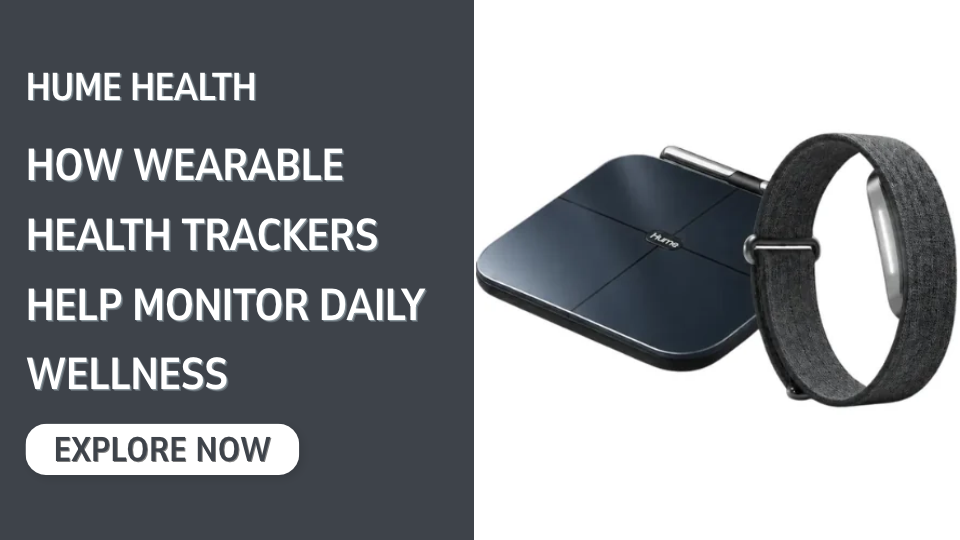
Maintaining a healthy lifestyle involves more than exercising occasionally or following a balanced diet. Everyday habits such as sleep, movement, stress management, and recovery also contribute to overall wellness. However, understanding how these habits affect your body can sometimes be difficult without consistent tracking. Wearable health trackers offer a convenient way to monitor different health and activity indicators throughout the day. These devices collect information that can help users recognize patterns and make more informed lifestyle decisions. From monitoring heart rate to reviewing sleep trends, wearable technology has become an interesting option for people who want a clearer picture of their daily routines. Hume Health offers wearable wellness technology designed to bring several of these insights together in one connected experience.
Why Daily Health Monitoring Matters
Many people focus on individual fitness goals without considering how different lifestyle habits work together. For example, physical activity, sleep quality, and recovery can influence how energetic or prepared someone feels throughout the day.
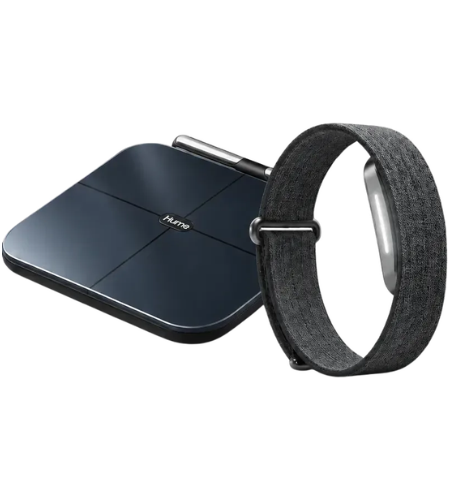
Daily health monitoring helps organize information about these habits. Rather than relying entirely on memory, users can review recorded measurements and compare changes over time.
Some commonly monitored indicators include:
- Heart rate: Helps users understand how their heart rate changes during rest and activity.
- Heart rate variability (HRV): Measures variations in the time between consecutive heartbeats and can provide information about recovery patterns.
- Sleep duration: Records how long someone sleeps and may provide additional sleep-stage estimates.
- Blood oxygen: Provides an estimated measurement of oxygen saturation.
- Daily activity: Tracks movement, steps, and other activity-related information.
- Recovery indicators: Combines selected measurements to provide an estimate of how the body may be responding to recent activity.
These indicators are useful for understanding general patterns, but wearable measurements should not be treated as medical diagnoses.
How Wearable Health Trackers Work
Wearable health trackers use small sensors to collect information from the body. Depending on the device, these sensors may monitor movement, heart rate, skin temperature, and other physiological signals.
Optical sensors commonly use light to estimate changes in blood flow beneath the skin. Motion sensors detect movement and help record activities such as walking, running, and sleeping.
The collected information is usually transferred to a smartphone application, where users can review measurements, daily summaries, and historical trends.
For better comparisons, wearing the device consistently and following the manufacturer’s instructions can be helpful. It is also important to understand that different devices use different measurement methods, so their readings may not always match.
Key Features of the Hume Band 2.0
1. Continuous Health Monitoring
The Hume Band 2.0 is designed to collect health-related measurements throughout the day and night. This can help users observe changes in their everyday patterns without manually recording each measurement.
2. Sleep and Recovery Insights
Sleep is an important part of a balanced lifestyle. The device provides sleep-related information, including estimated sleep stages and recovery indicators. Reviewing these trends may help users understand how their routines relate to their rest.
3. Heart Rate and HRV Tracking
Heart rate and HRV measurements provide different types of information about cardiovascular activity and physiological variation. Tracking them consistently can help users understand their personal patterns.
4. Long Battery Life
Hume lists up to 14 days of battery life for the Band 2.0, depending on usage and tracking conditions. This can make the device convenient for people who prefer not to charge their wearable every day.
5. App-Based Wellness Information
The Hume Health app brings supported measurements together in a digital dashboard. Core tracking features are included, while optional premium membership provides additional personalized insights and coaching features.
What to Consider Before Choosing a Wearable Tracker
Not every wearable device is suitable for every person. Before selecting one, consider the features that genuinely match your needs.
Comfort: Since many devices are designed for continuous wear, choose a size and strap material that feels comfortable during everyday activities and sleep.
Battery life: Consider how frequently the device needs charging and whether that fits your routine.
App compatibility: Check whether the companion application supports your smartphone and operating system.
Subscription costs: Some brands offer additional insights through paid memberships. Understand which features are included and which require an upgrade.
Measurement limitations: Consumer wearables provide estimates. They should not replace medical equipment or professional advice when accurate clinical measurements are necessary.
How Hume Health Fits Into Everyday Wellness
Hume Health focuses on connected wellness products that help users monitor different aspects of their health. One of its notable wearable products is the Hume Band 2.0.
Unlike traditional smartwatches that emphasize screens, notifications, and general activity tracking, the Hume Band 2.0 is designed around continuous health monitoring and app-based insights.
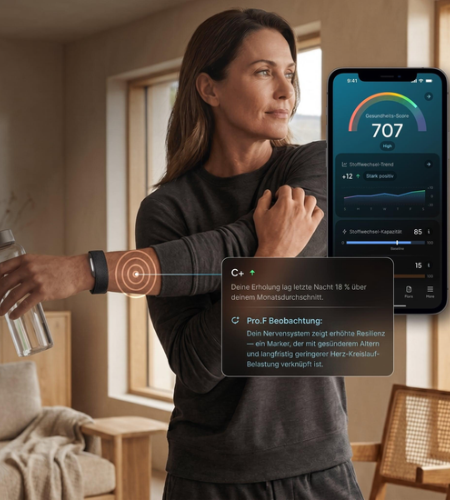
According to the brand’s product information, the band tracks several indicators, including:
- Heart rate and heart rate variability
- Sleep stages and sleep patterns
- Blood oxygen levels
- Skin temperature
- Activity and movement
- Strain and recovery indicators
- Metabolic Momentum and other wellness scores
The accompanying Hume Health app organizes this information so users can review their measurements and follow longer-term patterns.
The brand also offers the Hume Body Pod, which focuses on body composition measurements. It can complement the wearable by providing additional estimates related to body fat, muscle mass, and other body composition indicators.
Pricing and Shipping
Hume Health’s wearable product pricing can change depending on current offers, selected options, and location. At the time of research, the official Hume Band 2.0 product listing displayed a price of $249 USD, reduced from its listed reference price of $356 USD.
The brand’s product information also describes international shipping, a 45-day return period, and an included one-year warranty. Conditions may vary, so customers should review the latest terms before ordering.
International buyers should also check destination availability, potential customs charges, and applicable delivery conditions.
Pros and Cons of Wearable Health Trackers
Pros
- Convenient monitoring throughout the day.
- Helps users recognize changes in personal health trends.
- Provides information about sleep and recovery.
- Makes activity tracking easier.
- Keeps measurements organized in a mobile application.
Cons
- Some measurements may be affected by movement or sensor limitations.
- Wellness estimates are not medical diagnoses.
- Advanced app features may involve additional costs.
- Continuous tracking may not appeal to everyone.
- Wearable devices require regular charging and maintenance.
Frequently Asked Questions
1. What does a wearable health tracker monitor?
Depending on the model, it may monitor heart rate, movement, sleep, blood oxygen, skin temperature, and other wellness indicators.
2. Is a wearable health tracker worth using?
It can be useful for people who want to understand their daily activity, sleep patterns, and other wellness trends. Its value depends on individual needs and how consistently the information is used.
3. Can wearable trackers monitor sleep?
Yes. Many wearable devices estimate sleep duration and stages using movement and physiological sensor data. These estimates are useful for observing patterns but are not equivalent to clinical sleep testing.
4. Does the Hume Band 2.0 require a subscription?
Hume states that its app includes core tracking features without a mandatory subscription. Optional premium membership provides additional personalized insights and coaching.
5. How long does the Hume Band 2.0 battery last?
Hume lists up to 14 days of battery life. Actual performance can vary depending on tracking frequency and usage.
6. Can wearable trackers replace medical devices?
No. Consumer wearable trackers are designed for general wellness monitoring and should not replace validated medical equipment, clinical testing, or professional medical advice.
Claim Your Exclusive 20% Discount
Conclusion
Wearable health trackers can make everyday wellness monitoring more convenient by bringing information about sleep, activity, heart rate, and recovery into one place. Their greatest value comes from helping users understand personal patterns rather than focusing on isolated numbers.
Hume Health offers connected wellness technology through products such as the Hume Band 2.0 and Hume Body Pod. If you are considering a wearable health tracker, reviewing the available features, app requirements, and current purchasing conditions can help you decide whether the technology fits your lifestyle.
 Harvey Glen