

Looking for a simple way to capture memories without the distraction of a smartphone screen? 📸 Camp Snap has become a breakout hit by offering affordable, no-frills digital cameras that feel like disposable film cameras—but reusable and rechargeable. Originally designed for kids heading to screen-free summer camps, these point-and-shoot devices have won over adults, travelers, and nostalgia seekers too.
In this honest Camp Snap review, we’ll dig into the brand’s story, product quality, best-selling models, pricing, real customer feedback, and whether these cameras deliver enough value to justify a purchase. If you want to live in the moment while still coming home with photos, keep reading.
Brief Overview of the Camp Snap Brand
Camp Snap launched with a clear mission: create a digital camera that kids (and grown-ups) can use without a rear screen. Many summer camps ban devices with screens to encourage real-world engagement. Traditional digital cameras or phones often break those rules or pull attention away from the experience.
The brand’s solution is a pocket-sized, screen-free camera with an optical viewfinder, one main shutter button, and minimal controls. Photos stay hidden until you plug the camera into a computer or phone via USB-C. The result feels closer to shooting a disposable film camera than a modern smartphone.
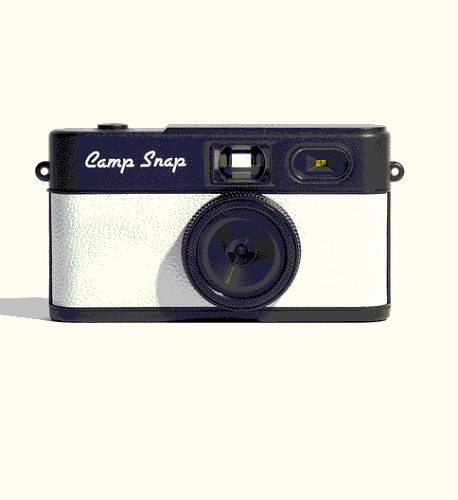
Camp Snap has expanded beyond the original model. The lineup now includes improved versions like the Camp Snap 2, the higher-resolution CS-Pro, and the retro-inspired CS-8 digital video camcorder that channels old Super 8 home-movie vibes. Accessories such as waterproof cases, bags, and lanyards round out the ecosystem. The brand claims hundreds of thousands of cameras sold and emphasizes reusable, low-waste design compared with single-use film disposables.
Product Quality Analysis: What You Can Realistically Expect
Camp Snap cameras are built for fun and durability rather than professional image quality. Bodies are lightweight plastic (often under 4 ounces / 100–140g), available in multiple colors and limited-edition finishes. They feel intentionally simple and a bit toy-like—durable enough for camp or travel but not premium metal construction.
Image quality sits firmly in “good enough for the vibe” territory. The standard models use an 8-megapixel 1/3.2-inch sensor with a fixed wide lens (roughly 28–35mm equivalent). Photos have a soft, grainy, vintage look that many people love for social media or prints. Bright daylight delivers the best results. Low light and fast action can show noise, softness, or blur because of limited shutter speeds and modest sensors.
Key practical strengths include:
- Long battery life (around 500 photos per charge on still models)
- Included 4GB microSD card (holds roughly 2,000 photos; expandable on most models)
- Built-in LED or (on higher models) xenon flash
- Downloadable or built-in film-style color filters for that nostalgic aesthetic
- Simple USB-C charging and photo transfer—no proprietary app required
Common limitations noted across independent reviews include noticeable shutter lag on earlier models (improved on newer versions), no image review on the camera itself, and plastic build that some describe as feeling cheap. These are intentional trade-offs for the screen-free, low-cost design.
Best-Selling Camp Snap Products and Key Features
Camp Snap / Camp Snap 2 (Core Still Camera)
The flagship point-and-shoot remains the most popular. The Camp Snap 2 refines the original with a slightly slimmer body, dedicated on/off switch, lockable filter button, more built-in filters (typically 6), and better usability for kids.
Key features and benefits:
- Completely screen-free with optical viewfinder
- Point-and-shoot simplicity—ideal for children and beginners
- Up to ~500 shots per charge and ~2,000 photos on included card
- Vintage film-style filters (Standard, Vintage, Analog, Black & White, etc.)
- Lightweight and pocketable for camp, travel, or everyday carry
- Reusable alternative to disposable film cameras
Best for summer campers, parents seeking a low-distraction option, and anyone wanting lo-fi digital nostalgia.
CS-Pro Camera
The step-up model adds meaningful improvements while keeping the screen-free philosophy.
Key features and benefits:
- 16MP sensor for higher resolution and more cropping flexibility
- Xenon flash (stronger and more natural than LED)
- Filter dial for quick on-the-fly style changes
- Improved processing that reduces shutter lag
- Still simple, compact, and rechargeable via USB-C
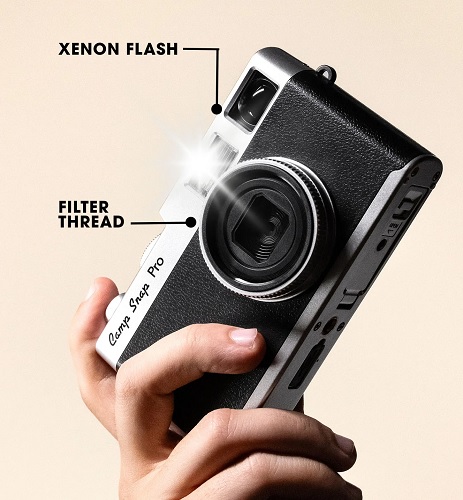
A solid choice if you want slightly better image quality and flash performance without leaving the Camp Snap ecosystem.
CS-8 Digital Video Camcorder
This Super 8-inspired camcorder targets video fans who prefer analog character over 4K perfection.
Key features and benefits:
- Retro body and simple trigger operation
- Multiple aspect ratios (including 9:16, 16:9, 1:1, 4:3)
- Film-style video filters
- No playback screen—encourages shooting without constant review
- Expandable storage (up to 128GB) and USB-C transfer
- Fun, characterful footage rather than clinical modern video
Ideal for creative projects, home movies, or anyone chasing that vintage camcorder aesthetic on a budget.
Accessories like waterproof cases (rated for shallow water), camera bags, and USB-C lanyards make the system more practical for outdoor use.
Pricing and Value Assessment
Camp Snap cameras are positioned as affordable impulse buys:
- Standard Camp Snap / Camp Snap 2: typically $65–$75
- CS-Pro: around $99
- CS-8 camcorder: $149–$199 (often discounted at launch)
Compared with buying multiple disposable film cameras plus development costs, the reusable digital option quickly becomes cheaper—especially for frequent shooters. Bundles that include cases or bags improve value further. Free shipping thresholds and occasional sales are common on the official site.
Value is highest when you prioritize the experience and aesthetic over technical perfection. If you need sharp, versatile photos for professional use, you’ll want something more capable (and more expensive).
Comparison with Competitors
Camp Snap occupies a unique niche. Instant film cameras from Fujifilm Instax or Polaroid deliver physical prints but require ongoing film purchases (often $0.80–$2+ per shot) and produce fewer images per pack. Traditional compact digital cameras or smartphones offer far better image quality and features but reintroduce screens and complexity.
Camp Snap wins on:
- Zero ongoing film costs
- True screen-free shooting
- Very low entry price
- Disposable-camera fun without the waste
It loses on pure image quality, low-light performance, and advanced controls. For pure nostalgia and instant physical prints, Instax or Polaroid may feel more satisfying. For maximum convenience and quality, a phone still wins—but that defeats the screen-free goal.
Pros and Cons of Camp Snap
Pros ✅
- Extremely simple, distraction-free operation
- Affordable and reusable
- Fun vintage aesthetic with customizable filters
- Long battery life and solid storage for the price
- Lightweight and kid-friendly
- Encourages living in the moment
Cons ❌
- Image quality is soft and lo-fi by modern standards
- Shutter lag can cause missed moments (improved on newer models)
- Plastic build feels basic
- No on-camera review or advanced settings
- Limited low-light and action performance
Customer Reviews and Trustworthiness
Independent reviews from outlets like DPReview, PetaPixel, Wirecutter, PCMag, and NBC Select generally describe Camp Snap as fun and purposeful rather than technically impressive. Many parents praise it for camp use. Adults appreciate the nostalgia and forced mindfulness. Common complaints focus on shutter lag and average photo quality—exactly what the brand positions itself around.
Customer sentiment on the official site and retailers tends to be positive when expectations match the product’s intent. The company offers straightforward USB-C transfer, filter downloads, and standard return policies. Stock can sell out due to popularity, which some buyers find frustrating but also signals demand.
Overall trustworthiness appears solid for a direct-to-consumer brand focused on a clear niche.
Who Is Camp Snap Best Suited For?
Camp Snap works best for:
- Parents sending kids to screen-free summer camps
- Families and groups wanting a shared, simple camera
- Travelers and outdoor enthusiasts seeking a lightweight, no-distraction option
- Creatives and nostalgia fans who enjoy lo-fi, film-like digital images
- Anyone deliberately reducing screen time while still capturing memories
It is less ideal for serious photographers, low-light specialists, or people who want instant on-camera review and high technical quality.
Frequently Asked Questions About Camp Snap
1. Does the Camp Snap camera have a screen?
No. It is deliberately screen-free. You compose through the optical viewfinder and only see photos after transferring them via USB-C.
2. How many photos can it store and how long does the battery last?
The included 4GB card holds around 2,000 photos. Battery life is typically rated for about 500 shots per charge.
3. Can I use Camp Snap photos on my phone?
Yes. Connect the camera with the included USB-C cable (or use a card reader) to transfer files to a computer or compatible phone.
4. Is Camp Snap waterproof?
The camera itself is not. A separate waterproof case is available for pool, beach, or light underwater use.
5. What’s the difference between the regular Camp Snap and the CS-Pro?
The CS-Pro offers higher resolution (16MP), a stronger xenon flash, a filter dial, and improved responsiveness while keeping the same screen-free design.
6. Can kids use it easily?
Yes. The one-button (or very limited control) design makes it one of the simplest cameras available for children.
7. Does it take video?
The standard still models do not. The separate CS-8 camcorder is designed for video with a Super 8-inspired experience.
Final Verdict: Is Camp Snap Worth Buying?
Yes—if you understand what you’re getting. Camp Snap delivers an enjoyable, intentional photography experience at a low price. It successfully bridges the gap between disposable film cameras and modern digital convenience while keeping screens out of the equation. Image quality won’t impress pixel-peepers, but the fun factor, battery life, reusability, and mindfulness benefits make it a worthwhile purchase for the right user.
For campers, casual shooters, and anyone craving that simple “point, shoot, and move on” feeling, Camp Snap is worth buying. Newer models like the Camp Snap 2 and CS-Pro address earlier shortcomings and offer better everyday usability.
Ready to try a screen-free camera for yourself? Visit the official Camp Snap website at https://www.campsnapphoto.com/ to check current colors, bundles, and availability. Snap more, scroll less.
 Harvey Glen