
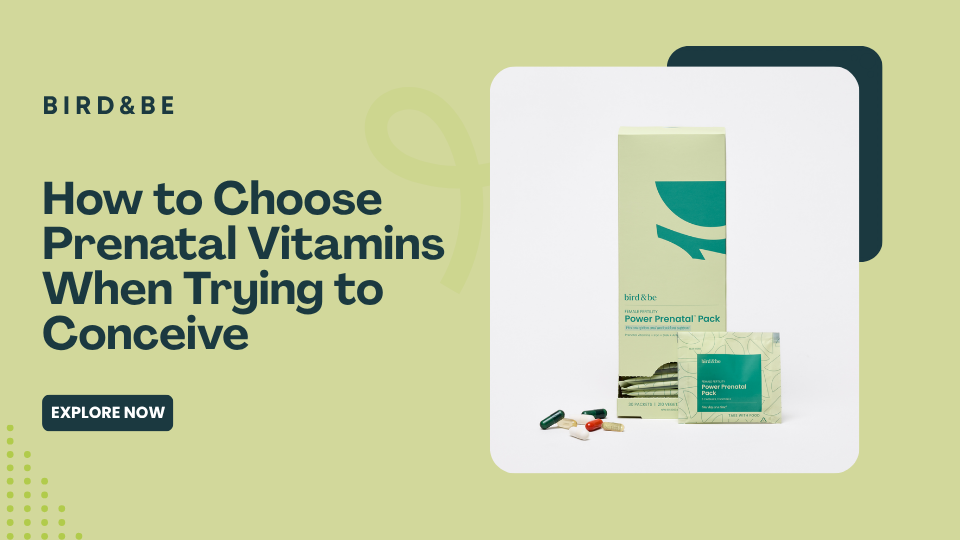
Choosing prenatal vitamins when trying to conceive can feel confusing because there are many formulas, nutrient combinations, serving sizes, and supplement formats available. The goal is not simply to choose the product with the longest ingredient list. It is more useful to understand which nutrients matter, how the formula fits your stage of reproductive planning, and whether the daily routine is practical enough to follow consistently.
A prenatal can be part of preconception nutrition, but it should complement a balanced diet and guidance from a qualified healthcare professional rather than replace either one. Bird&Be focuses specifically on fertility, pregnancy, and postpartum supplementation, offering formulas organized around different stages of the reproductive journey.
Why Prenatal Vitamins Matter Before Pregnancy
Prenatal nutrition matters before conception because early development starts soon after.
Look for folate, iron, choline, vitamin D, B12, and omega-3 DHA. Needs vary, so consult a healthcare provider if you have specific health needs.
For convenience, a formula combining several nutrients in one daily system may be easier than using multiple supplements.
What to Look for in a Prenatal
A useful comparison starts with the formula rather than the packaging. Consider these factors:
- Key nutrients: Check whether the prenatal provides nutrients relevant to preconception and pregnancy.
- Nutrient forms: Some products use different forms of folate, vitamins, minerals, or DHA, so compare the Supplement Facts panel.
- Serving size: A product may require one capsule, several pills, gummies, or a daily packet.
- Dietary preferences: Check whether the formula fits your dietary restrictions and ingredient preferences.
- Testing and manufacturing: Look for transparent information about testing and manufacturing standards.
- Stage of use: A product designed for trying to conceive may differ from one intended for pregnancy or postpartum use.
Bird&Be states that its products are developed with fertility specialists, use bioavailable ingredients, and undergo third-party testing. The company also offers daily sachets and subscription options for several products.
How Bird&Be Fits the Preconception Journey
Bird&Be organizes its products according to reproductive stages, including trying to conceive, pregnancy, and postpartum. This approach can make it easier to compare products based on where you are rather than choosing from one large supplement category.
For people trying to conceive, the store currently lists options such as the Female Fertility Power Prenatal Pack, Male Fertility Power Pack, Inositol Cycle Support, fertility tests, ovulation tests, and other reproductive-health products.
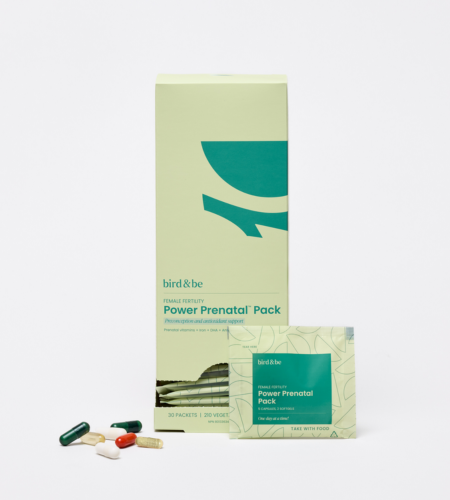
The Female Fertility Power Prenatal Pack combines prenatal nutrients with DHA, antioxidants, and iron. Bird&Be lists folate, choline, vitamins, DHA, NAC, and CoQ10 among its ingredients or featured nutrients, depending on the selected version. The company also offers a version with an additional CoQ10 boost.
For shoppers who prefer fewer separate supplements, Bird&Be also lists the Complete Prenatal Pack, which contains 24 bioavailable nutrients and includes methylated folate, folic acid, choline, and algae-based DHA.
Comparing Formats and Daily Convenience
The best format is one that fits comfortably into your routine. Some people prefer capsules, while others may find daily sachets or gummies easier to manage.
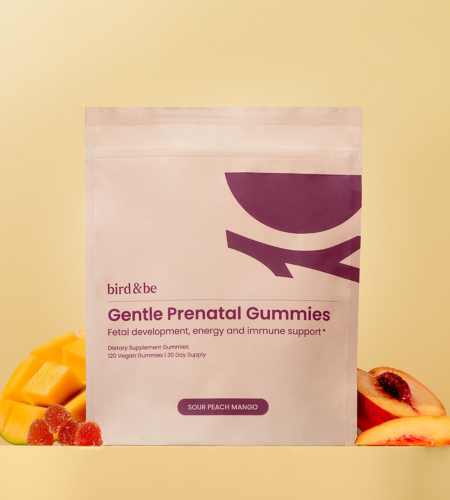
Bird&Be offers daily sachets that group multiple nutrients into one packet. Its Gentle Prenatal Gummies are an alternative for those who prefer gummies and contain folic acid, folate, choline, vitamin D3, and B6.
Pricing and Shopping Considerations
Prices can change, so check the current product page before purchasing. At the time of research, Bird&Be listed the Female Fertility Power Prenatal Pack at $56.70 and the version with a CoQ10 boost at $70.20. Its female fertility collection also listed Inositol Cycle Support at $28.80 and pregnancy tests from $9.99.
Bird&Be says subscriptions provide 10% savings and free shipping on qualifying recurring orders. Review the current checkout terms before ordering because product availability, pricing, and subscription conditions can change.
Frequently Asked Questions
When should I start taking a prenatal when trying to conceive?
Many people begin a prenatal before actively trying to conceive. Bird&Be recommends starting its prenatal approach several months before trying, while individual timing should be discussed with a healthcare professional.
What nutrients should I look for in a prenatal?
Folate or folic acid, iron, choline, vitamin D, B vitamins, and DHA are commonly considered when comparing prenatal formulas. Your individual needs may differ.
Are fertility supplements the same as prenatal vitamins?
Not necessarily. Prenatal formulas generally focus on nutrients needed around pregnancy, while fertility-focused products may include additional ingredients intended for the preconception stage.
Does Bird&Be have supplements for men?
Yes. Bird&Be lists Male Fertility Power Pack options containing nutrients such as zinc, L-carnitine, NAC, and CoQ10 depending on the selected formula.
Can I change my prenatal after becoming pregnant?
Some formulas are specifically designed for different stages. Bird&Be recommends transitioning from certain fertility-focused formulas to its pregnancy-focused Complete Prenatal Pack after pregnancy, but personal supplement decisions should be discussed with a healthcare provider.
Conclusion
Choosing prenatal vitamins when trying to conceive is easier when you focus on nutrient coverage, ingredient forms, serving convenience, dietary preferences, and the stage of your reproductive journey. Instead of automatically choosing the most comprehensive-looking bottle, compare the actual Supplement Facts panel and consider what fits your individual needs.
Bird&Be provides fertility, prenatal, pregnancy, and postpartum products in stage-specific formats, including daily sachets and targeted formulas. Before starting or changing a supplement routine, especially during fertility treatment or pregnancy, discuss your choices with a qualified healthcare professional.
 Harvey Glen